



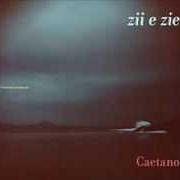
Uma moça
De lá do outro lado da poça
Numa aparição transatlântica
Me encheu de elegante alegria
(Ai, Portugal, ovos moles, Aveiro)
Menina da Ria
Menina da Ria
Menina da Ria
E uma preta
(Parece que eu estou na Bahia)
Tão Linda quanto ela, dizia
No seu português lusitano:
?Pode o Caetano tirar uma foto??
Menina da Ria
Menina da Ria
Menina da Ria
Arte Nova, um prédio art-nouveau numa margem
Em frente à marina-miragem:
Os barcos na Ria. E depois
Uma taça sobre o pubis glabro, um estudo
Nenhum descalabro se tudo
É sexo sem sexo em nós dois
Menina da Ria
Menina da Ria
Menina da Ria
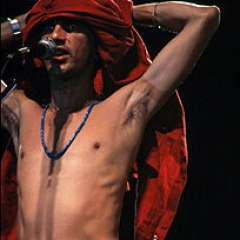
Caetano Emanuel Viana Telles Veloso (Salvador, April 7, 1942) is one of the most influential singer-songwriters in Brazil. Born into a bourgeois family, he developed a passion for music at a young age, embracing bossa nova and rock. In the 1960s, in Rio de Janeiro, he became part of the Tropicália movement, a cultural explosion that blended traditional Brazilian elements with international influences such as pop, psychedelic, and jazz. Caetano Veloso is known for his innovative melodies, poetic lyrics, and distinctive voice. A key figure in the Tropicália movement, he collaborated with artists like Gilberto Gil, Tom Zé, and Gal Costa. In 1968, following military censorship in Brazil, he was exiled to London. After returning home, he continued to produce highly successful music, exploring new genres such as world music and electronic. Among his most famous songs are "Alegria, Alegria", "Sozinho", "Sampa", and "O Leãozinho". Caetano Veloso is considered a Brazilian cultural icon, whose impact on the music and society of his country remains profound.

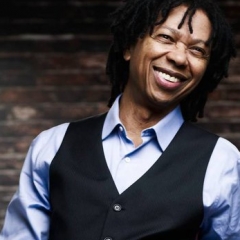 Djavan
 Bruno Barretto
 Harmonia Do Samba
 Péricles
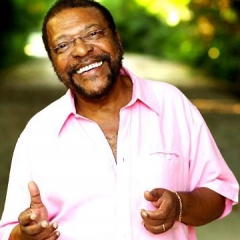 Martinho Da Vila
 Maria Gadù
 Anitta
 Roberta Campos
 Nouvelle Vague
 Roupa Nova
 Wesley Safadão
 Humberto E Ronaldo