



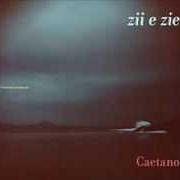
Pariu, cuspiu
Expeliu
Um Deus, um bicho
Um homem
Brotou alguém
Algum ninguém
O quê?
A quem?
Surgiu, vagiu
Sumiu, escapuliu
No som, no sonho
Somem
São cem
São mil
São cem mil
Um milhão
Do mal, do bem
Lá vem um
Olhos vazios
De mata escura
E mar azul
Ai, dói no peito
Aparição assim
Vai na alvorada-manhã
Sai do mamilo marrom
O leite doce e sal
Tchau, mamãe
Valeu
Cresceu, vingou
Permaneceu, aprendeu
Nas bordas da favela
Mandou, julgou
Condenou, salvou
Executou, soltou
Prendeu
Colheu, esticou
Encolheu, matou
Furou, fodeu
Até ficar sem gosto
Ganhou, reganhou
Bateu, levou
Mamãe, perdeu, perdeu
Céu
Mar e mata
Mortos da luz desse olhar
Antes assim do que viver
Pequeno e bom
Não diz isso não
Diz isso não
A conta é outra
Têm que dar, têm que dar
Foi mal, papai
Anoiteceu
Brilhou, piscou
Bruxuleou
Ardeu, resplandeceu
A nave da cidade
O sol se pôs
Opôs, nasceu
E nada aconteceu
(2x):
O sol se pôs
Depois nasceu
E nada aconteceu
Caetano Emanuel Viana Telles Veloso (Salvador, April 7, 1942) is one of the most influential singer-songwriters in Brazil. Born into a bourgeois family, he developed a passion for music at a young age, embracing bossa nova and rock. In the 1960s, in Rio de Janeiro, he became part of the Tropicália movement, a cultural explosion that blended traditional Brazilian elements with international influences such as pop, psychedelic, and jazz. Caetano Veloso is known for his innovative melodies, poetic lyrics, and distinctive voice. A key figure in the Tropicália movement, he collaborated with artists like Gilberto Gil, Tom Zé, and Gal Costa. In 1968, following military censorship in Brazil, he was exiled to London. After returning home, he continued to produce highly successful music, exploring new genres such as world music and electronic. Among his most famous songs are "Alegria, Alegria", "Sozinho", "Sampa", and "O Leãozinho". Caetano Veloso is considered a Brazilian cultural icon, whose impact on the music and society of his country remains profound.

 Ira!
 Celso Adolfo
 Thiaguinho
 Geraldo Pereira
 Aline Barros
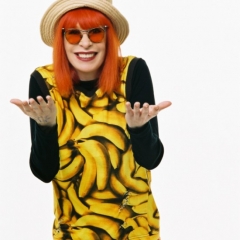 Rita Lee
 Sandy & Junior
 Flavia Coelho
 Mano Walter
 Calcinha Preta
 Laguna
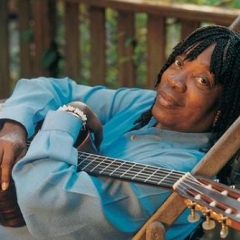 Milton Nascimento