




Eu não me arrependo de você
Cê não me devia maldizer assim
Vi você crescer
Fiz você crescer
Vi cê me fazer crescer também
Prá além de mim...
Não, nada irá neste mundo
Apagar o desenho que temos aqui
Nem o maior dos seus erros
Meus erros, remorsos
O farão sumir..
Vejo essas novas pessoas
Que nós engendramos em nós
E de nós
Nada, nem que a gente morra
Desmente o que agora
Chega à minha voz
Nada, nem que a gente morra
Desmente o que agora
Chega à minha voz...
Êh! Êh! Êh! Êh! Êh! Êh!
Êh! Êh! Êh! Êh! Êh! Êh!
Êh! Êh! Êh! Êh! Êh! Êh!
Êh! Êh! Êh! Êh! Êh! Êh!
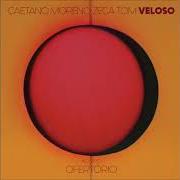
Caetano Emanuel Viana Telles Veloso (Salvador, April 7, 1942) is one of the most influential singer-songwriters in Brazil. Born into a bourgeois family, he developed a passion for music at a young age, embracing bossa nova and rock. In the 1960s, in Rio de Janeiro, he became part of the Tropicália movement, a cultural explosion that blended traditional Brazilian elements with international influences such as pop, psychedelic, and jazz. Caetano Veloso is known for his innovative melodies, poetic lyrics, and distinctive voice. A key figure in the Tropicália movement, he collaborated with artists like Gilberto Gil, Tom Zé, and Gal Costa. In 1968, following military censorship in Brazil, he was exiled to London. After returning home, he continued to produce highly successful music, exploring new genres such as world music and electronic. Among his most famous songs are "Alegria, Alegria", "Sozinho", "Sampa", and "O Leãozinho". Caetano Veloso is considered a Brazilian cultural icon, whose impact on the music and society of his country remains profound.

 Krisiun
 Cpm 22
 Guilherme E Santiago
 Bebel Gilberto
 Naiara Azevedo
 Maria Bethânia
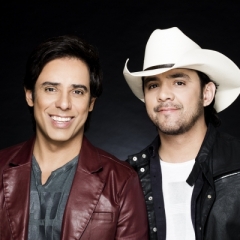
 Humberto E Ronaldo
 Suellen Lima
 Pedro Miranda
 Lisa Ono
 Kiko Loureiro
 Daniela Mercury