



Walk down Portobello road to the sound of reggae
I’m alive
The age of gold, yes the age of
The age of old
The age of gold
The age of music is past
I hear them talk as I walk yes I hear them talk
I hear they say
Expect the final blast
Walk down Portobello road to the sound of reggae
I’m alive
I’m alive and vivo muito vivo, vivo, vivo
Feel the sound of music banging in my belly
Know that one day I must die
I’m alive
I’m alive and vivo muito vivo, vivo, vivo
In the Eletric Cinema or on the telly, telly, telly
Nine out of ten movie stars make me cry
I’m alive
And nine out of ten film stars make me cry
I’m alive
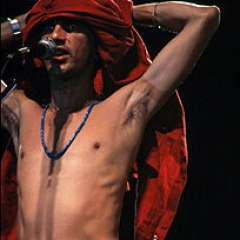
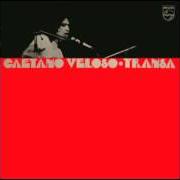
Caetano Emanuel Viana Telles Veloso (Salvador, April 7, 1942) is one of the most influential singer-songwriters in Brazil. Born into a bourgeois family, he developed a passion for music at a young age, embracing bossa nova and rock. In the 1960s, in Rio de Janeiro, he became part of the Tropicália movement, a cultural explosion that blended traditional Brazilian elements with international influences such as pop, psychedelic, and jazz. Caetano Veloso is known for his innovative melodies, poetic lyrics, and distinctive voice. A key figure in the Tropicália movement, he collaborated with artists like Gilberto Gil, Tom Zé, and Gal Costa. In 1968, following military censorship in Brazil, he was exiled to London. After returning home, he continued to produce highly successful music, exploring new genres such as world music and electronic. Among his most famous songs are "Alegria, Alegria", "Sozinho", "Sampa", and "O Leãozinho". Caetano Veloso is considered a Brazilian cultural icon, whose impact on the music and society of his country remains profound.




 Hateen
 Carlos
 Adriana Calcanhotto
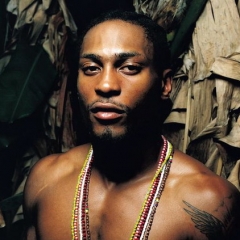 D'Angelo
 Endless
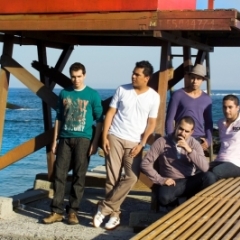 Sorriso Maroto
 Racionais Mc'S
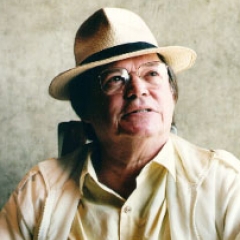 Tom Jobim
 Maneva
 Expressao Ativa
 Arnaldo Antunes
 Gustavo Mioto