



Onte na Ilha di Madera
M’assisti um pé di boi
Dos amigo engalfilhode
Por causa dum alcovitera
Dcha da uns ta dzé
Dchá mata otches ta dzé :
« Amdjor é parti
Pa ca da chatice »
Poca vergonha dess rapariga
Ja ta bom de caba ness terra
Ta po mut dess ignorante
Ta briga ta morrê na guerra
-------------------------------
TRADUCTION
Hier sur l’île de Madera (1)
J’ai assisté à une dispute
Deux amis se battaient
A cause d’une mère maquerelle (2)
Certains disaient de continuer
Et de tuer, d’autres ont dit
« Mieux vaut partir
Pour éviter les ennuis »
Filles sans honte
On devrait arrêter dans ce pays
De répandre autant d’ignorance
De se disputer pour finir par mourir
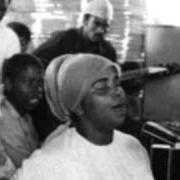
Cesária Évora (Praia, Cape Verde, August 27, 1941 – Praia, Cape Verde, December 17, 2011) was a Cape Verdean singer, known as the “barefoot diva” for performing without shoes. She is considered one of the most internationally renowned practitioners of "morna", a traditional Cape Verdean musical genre characterized by melancholic melodies and lyrics often dealing with themes of love, nostalgia, and longing. Évora began her career in the 1980s, singing in Praia nightclubs. Her breakthrough came in 1989 with the album "Cesaria Evora", followed by other successes such as "Tchi Tchi" (1992) and "Sodade" (1995). Her unique musical style, her warm voice, and her emotionally charged performances captivated international audiences. Évora collaborated with world-renowned artists like Jorge Ben Jor and Paul Simon. Her music has been featured in films and television programs, contributing to the spread of Cape Verdean culture worldwide. Some of her most representative songs are "Sodade", "Tchi Tchi" and "Nostalgia".
