





C'est un jour de joie que je viens de vivre
c'est un jour d'ennui que je vais à avoir:
Le premier qui passe comme
le dernier qui vient
sont toujours deux jours que je sais d'aimer.
Nous aurons deux jours: et voilà le vivre
le premier en avril
le dernier comme en hiver
parmi les souris d'une femme
qui va et qui vient
parmi les enfants
que sommes nous memes.
J'ai seulment deux jours: et voilà le vivre
ce sont deux jours trop courts pour pouvoir chanter
mais je suis un homme et je ne veux rien oublier
ce sont tuojours deux jours que je sais d'aimer
Nous aurons seulment des reves à vivre
le premier c'est l'amour
le dernier c'est ton amour
mal joui comme un ami
qui va et qui vient
e joui vite
pour n'etre pas nous memes.
(È un giorno di gioia che ho appena vissuto
è un giorno di noia che sto per incontrare:
il primo che se ne va così
come l'ultimo che viene
sono sempre due giorni che so d'amare.
Noi avremo due giorni: ecco la vita
il primo in aprile
l'ultimo come in inverno
fra i sorrisi di una donna
che parte e che torna
in mezzo a quei bambini
che siamo proprio noi.
Io ho solo due giorni: ecco la vita
sono due giorni troppo brevi per poter cantare
ma io sono un uomo e non voglio dimenticare niente
sono sempre due giorni che so d'amare.
Noi avremo soltanto sogni da vivere:
il primo è l'amore
l'ultimo il tuo amore
goduto male come un amico
che viene e va
e goduto in fretta
per non essere noi stessi).
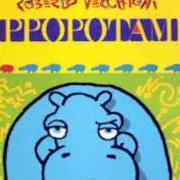
Roberto Vecchioni is an Italian singer-songwriter, lyricist, writer, poet, and teacher born in Milan in 1940. Considered one of the most important songwriters in Italian music, Vecchioni stands out for his profound and refined poetics, often inspired by literary tradition and the inner world. His musical career began in the 1960s with the folk-rock group I Nomadi, but he achieved fame in 1975 with the album "La mia casa è un castello". Among his most famous songs are "L'uomo che amava le donne", "Il cielo in una stanza", "Canzone per te" and "Luci d'artista". Vecchioni has won numerous awards, including the Sanremo Music Festival in 1982 with the song "La mia casa è un castello" and the Tenco Prize in 1976. Besides music, Vecchioni is also dedicated to writing novels, poems, and essays.

 Roberta Perrone
 Lino Pinna
 Gabo Enne
 Gente De Borgata
 Eterea
 Carlo Pestelli
 Riccardo D'Avino
 Anastasia Anniemore24
 Glef
 Shyma
 Tsu
 Gino Bechi