


Un giorno m'e' arrivata un mattino d'estate
s'e' installata in salotto mi ha chiesto di fumare.
Vi lascio immaginare com'è andata a finire:
mi son ritrovato un figlio da nutrire.
Sono un ragazzo padre, chiedo la carita'
io sono un peccatore per questa societa'.
Sono un ragazzo padre non so piu' dove andare
ho chiesto anche in comune, non mi lasciano entrare.
Son vent'anni che giro, il figlio e' quasi grande
data la stagione bisogna provvedere
perche' ier sera al parco faceva tanto freddo
ci siam stretti forte e siam finiti dentro.
Sono un ragazzo padre chiedo la carita'
io sono un peccatore per questa societa'.
Sono un ragazzo padre non so piu' dove andare
ho chiesto anche in comune, non mi lasciano entrare
ho chiesto anche in questura, non mi lasciano entrare
ho chiesto anche alle suore, non mi lasciano entrare
ho chiesto anche a mio figlio, m'ha detto: "Vai....
Sei un ragazzo padre chiedi la carita'
tutti i ragazzi padre chidon la carita'
no, non e' peccato chieder la carita'..."
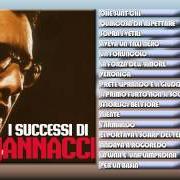
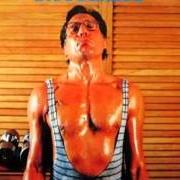
Enzo Jannacci (Milan, March 1, 1935 – Milan, October 27, 2018) was an Italian singer-songwriter, musician, and actor. Considered one of the pillars of Italian popular music, he successfully combined folk songwriting with jazz influences and theatrical elements. His career, which began in the 1960s, has been characterized by a constant musical search and a sharp irony that have made him one of the most beloved artists by the Italian public. Among his most famous songs are "When a Musician Laughs", "No tu no", "My Friend", "The Song of the Sun" and "Milan 3.6.2005". Jannacci collaborated with numerous artists, including Paolo Conte and Mina, and participated in important music festivals such as the Sanremo Music Festival. His music has often been used in films and television programs, contributing to its popularity.

 Nexus (Ita)
 Alessandra Giubilato
 Celeste Gaia
 Toni Santagata
 Iako Baby
 Martha Rossi
 Christian De Curtis
 Daniela
 Tananai
 al vox
 Shara (It)
 Federico Stragà