



Una tristezza che si chiamasse Maddalena
l'avresti dovuta vedere
mentre scendevi piangendo
giù dalla fabbrica
scandendo il tempo di un rhitm & blues.
Una tristezza che si chiamasse Maddalena
l'avresti dovuta adorare
marcio per la vergogna
di un segno di croce mancato
a un povero Cristo smagrito,
ammazzato di cancro ier sera, ier sera.
Una tristezza che si chiamasse Maddalena,
non l'avresti nemmeno trovata
quando a un tramonto
rivestito di grigio
non ti sei neanche chiesto
se fosse assai meglio un ultimo bacio
che non il solito arrivederci.
Una tristezza che si chiamasse Maddalena,
l'hai lasciata morire con gli altri
una sera di un 12 Dicembre
senza il coraggio di alzare una mano
o signore la faccia.
Arriverà insieme all'alba insieme all'apparire nel suo sporco
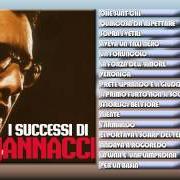
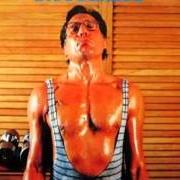
Enzo Jannacci (Milan, March 1, 1935 – Milan, October 27, 2018) was an Italian singer-songwriter, musician, and actor. Considered one of the pillars of Italian popular music, he successfully combined folk songwriting with jazz influences and theatrical elements. His career, which began in the 1960s, has been characterized by a constant musical search and a sharp irony that have made him one of the most beloved artists by the Italian public. Among his most famous songs are "When a Musician Laughs", "No tu no", "My Friend", "The Song of the Sun" and "Milan 3.6.2005". Jannacci collaborated with numerous artists, including Paolo Conte and Mina, and participated in important music festivals such as the Sanremo Music Festival. His music has often been used in films and television programs, contributing to its popularity.

 J Ax & Fedez
 Generell
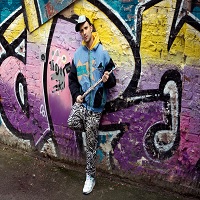 Tristano
 Riki
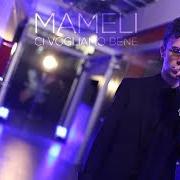 Mameli
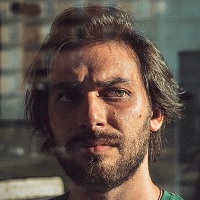 Raffaele Moretti
 Gama
 Menti Folli
 Devocka
 Vapurella
 Mina Fossati
 Paolo Fuschi