







(La colomba)
Pretendente:
Gh'aivu 'na bella cùmba ch'à l'é xeûa foea de cà
gianca cun'à néie ch'à deslengue a cian d'à sâ
Avevo una bella colomba che è volata fuori casa
bianca come la neve che si scioglie a pian del sale
Duv'a l'é duv'a l'é
dov'è dov'è
che l'han vursciua vedde cegâ l'àe a stù casâ
spéita cume l'aigua ch'à derua zû p'ou rià
che l'hanno vista piegare le ali verso questo casale
veloce come l'acqua che precipita dal rio
Nu ghe n'é nu ghe n'é nu ghe n'é
non ce n'è non ce n'è non ce n'è
Padre:
Cau ou mè zuenottu ve porta miga na smangiaxun
che se cuscì fise puriesci anàvene 'n gattixun
Nu ghe n'é nu ghe n'é nu ghe n'é
Caro il mio giovanotto non vi porta mica qualche prurito
che se così fosse potreste andarvene in giro per amorazzi
non ce n'è non ce n'è non ce n'è
Pretendente:
Vegnu d'â câ du rattu ch'ou magun ou sliga i pë
Vengo dalla casa del topo che l'angoscia slega i piedi
Padre:
Chi de cumbe d'âtri ne n'é vegnûe nu se n'é posé
Qui di colombe d'altri non ne son venute non se ne son posate
Pretendente:
Vegnu c'ou coeu marottu de 'na pasciun che nu ghe n'è
Vengo con il cuore malato di una passione che non ha uguali
Padre:
Chi gh'é 'na cumba gianca ch'â nu l'é â vostra ch'â l'é a me
Nu ghe n'é âtre nu ghe n'é / nu ghe n'é âtre nu ghe n'é
Qui c'è una colomba bianca che non è la vostra che è la mia
Non ce n'è altre non ce n'è / non ce n'è altre non ce n'è
Coro:
A l'e xëuâ â l'é xëuâ / a cumba gianca
de noette â l'é xëuâ / au cian d'â sâ
A truvian â truvian / â cumba gianca
de mazu â truvian / au cian d'ou pan.
E' volata è volata / la colomba bianca
di notte è volata / a pian del sale
La troveranno la troveranno / la colomba bianca
di maggio la troveranno / al pian del pane
Pretendente:
Vui nu vuriesci dàmela sta cumba da maiâ
gianca cum'â neie ch'à deslengue 'nt où rià
Duv'a l'é duv'a l'é / duv'a l'é duv'a l'é
Voi non vorreste darmela questa colomba da maritare
bianca come la neve che si scioglie nel rio
dov'è dov'è dov'è dov'è dov'è
Padre:
Mié che sta cumba bella a stà de lungu a barbaciu
che nu m'à posse vèdde à scricchi 'nte n'âtru niu
Nu ghe n'é âtre nu ghe n'é / nu ghe n'é âtre nu ghe n'é
Guardate che bella colomba è abituata a cantare in allegria
che io non la debba mai vedere stentare in un altro nido
non ce n'è non ce n'è / non ce n'è non ce n'è
Pretendente:
A tegnio à dindanàse suttà 'n angiou de melgranâ
cù a cua ch'ou l'ha d'â sèa â man lingèa d'ou bambaxia
Duv'a l'é duv'a l'é / duv'a l'é duv'a l'é
La terrò a dondolarsi sotto una pergola di melograni
con la cura che ha della seta la mano leggera del bambagiaio
dov'è dov'è dov'è dov'è dov'è
Padre:
Zuenu ch'âei bén parlòu 'nte sta seian-a de frevâ
Giovane che avete ben parlato in questa sera di febbraio
Pretendente:
A tegnio à dindanàse suttà 'n angiou de melgranâ
La terrò a dondolarsi sotto una pergola di melograni
Padre:
Saèi che sta cumba à mazu a xeuâ d'â më 'nt â vostra câ
Sappiate che questa colomba a maggio volerà dalla mia nella vostra casa
Pretendente:
Cu 'â cua ch'ou l'ha d'â sea â mân lingea d'ou bambaxia
Nu ghe n'é âtre nu ghe n'é / nu ghe n'é âtre nu ghe n'é
Con la cura che ha della seta la mano leggera del bambagiaio
non ce n'è altre non ce n'è / non ce n'è altre non ce n'è
Coro:
A l'e xëuâ â l'é xëuâ / a cumba gianca
de noette â l'é xëuâ / au cian d'â sâ
A truvian â truvian / â cumba gianca
de mazu â truvian / au cian d'ou pan.
E' volata è volata la colomba bianca
di notte è volata a pian del sale
La troveranno la troveranno la colomba bianca
di maggio la troveranno a pian del pane
Duv'a l'é duv'a l'é / ch'â ne s'ascunde
se maia se maia / au cian dou pan
cum'a l'é cum'a l'é / l'é cum'â neie
ch'â ven zu deslenguâ / da où rià.
dov'è dov'è che ci si nasconde
si sposerà si sposerà a pian del pane
Com'è com'è è come la neve
che viene giù sciolta dal rio
A l'e xëuâ â l'é xëuâ / a cumba gianca
de mazu â truvian / au cian d'â sâ
Duv'a l'é duv'a l'é / ch'â ne s'ascunde
se maia se maia / au cian dou pan
E' volata è volata la colomba bianca
di maggio la troveranno al pian del sale
dov'è dov'è che ci si nasconde
si sposerà si sposerà al pian del pane
Cùmba cumbétta / beccu de séa
sérva à striggiùn c'ou maiu 'n giandùn
Martin ou và à pë / cun' l'aze deré
foegu de légne anime in çé.
Colomba colombina becco di seta
serva a strofinare per terra col marito a zonzo
Martino va a piedi con l'asino dietro
fuoco di legna anime in cielo
Fabrizio De André (Genova, February 18, 1940 – January 27, 1999) was one of the most influential and original Italian singer-songwriters of the 20th century. Born into a bourgeois Genoese family, De André approached music at a young age, influenced by artists like Brassens and jazz. After a period of interrupted university studies, he began performing in Genoese clubs alongside friends like Tenco and Bindi. His first album, "The Song of the Sun", was released in 1967 and marked the beginning of an extraordinary career. De André distinguished himself for his complex and refined poetics, often focused on social and political themes, but also on everyday life and human emotions. His songs are characterized by original melodies and innovative arrangements, ranging from folk to progressive rock. Among his most important albums are "The Fisherman", "Land of Persimmons", "I'm Not Afraid" and "Dead Souls". De André collaborated with numerous artists, including Paolo Conte, Francesco De Gregori and Carmen Consoli. His music has influenced generations of Italian singer-songwriters and continues to be appreciated for its depth and originality. Some of his most representative songs are: "The Song of the Sun", "The Fisherman", "Under the Sign of Mars", "Don Quixote".
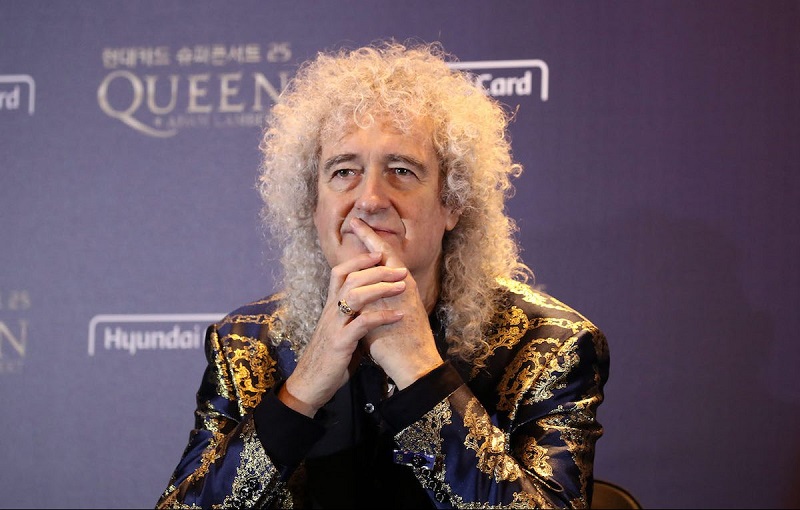
In the realm of rock 'n' roll, there are few names as iconic as Queen, and within the Queen pantheon, Brian May stands out not only as a legendary guitarist but also as an astrophysicist with a profound connection to NASA.
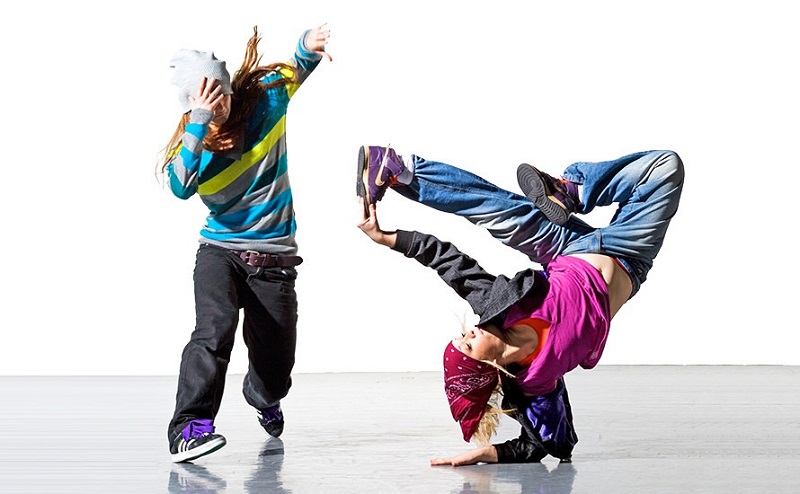
Hip-hop, one of the most influential cultural movements of the 20th and 21st centuries, has recently reached a significant milestone - it's turning 50 years old.

Coachella Festival 2022: here we are. In two days the doors of one of the most anticipated musical events of the year will open, even more so after the last two years in which for very obvious reasons the live music sector has suffered a very important setback.
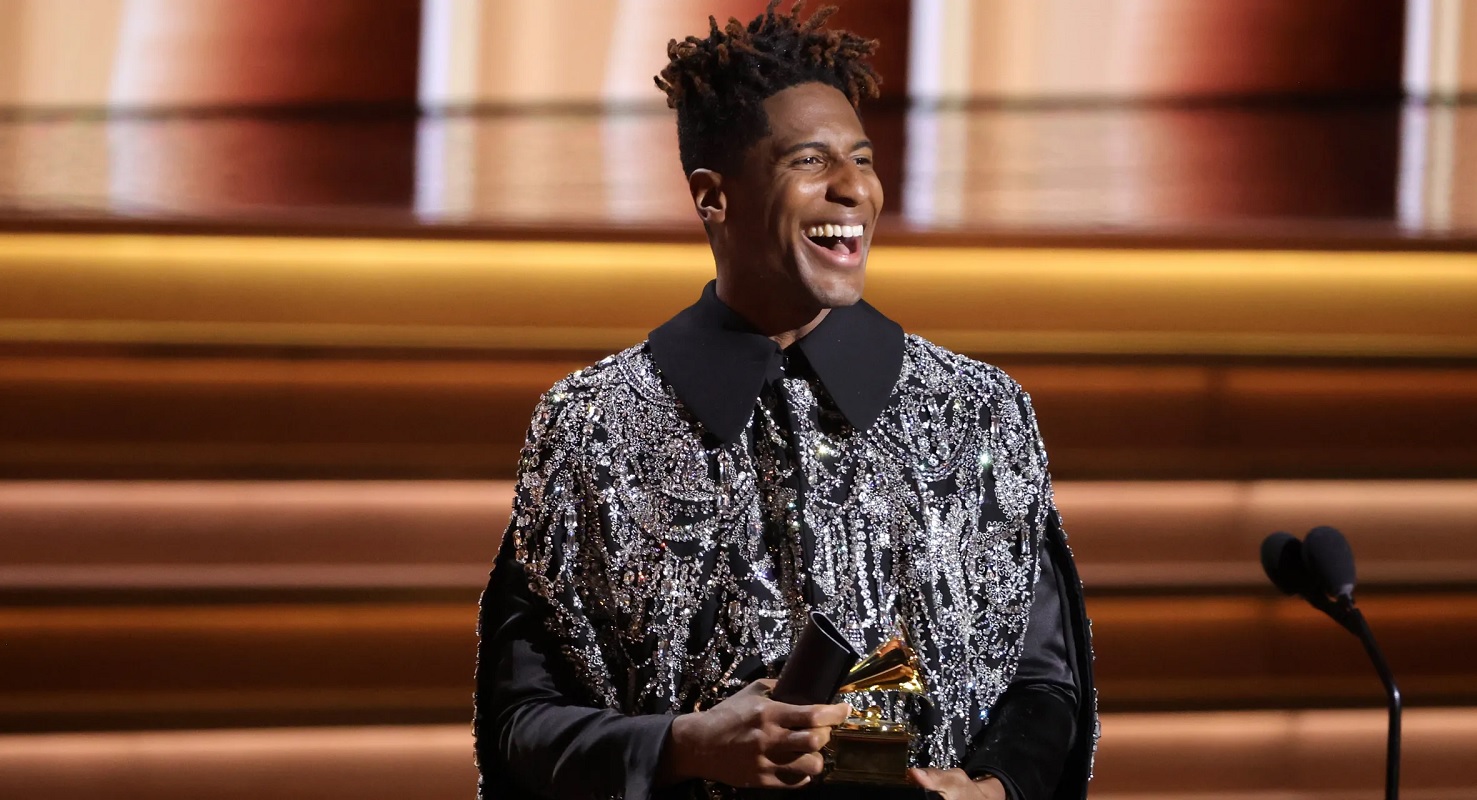
The 2022 Grammy Awards were the chronicle of an announced triumph: Jon Baptiste collected 11 nominations and won 5 Grammys, defeating all opponents. This was also the year of the very young Olivia Rodrigo, who managed to take home 3 Grammys, including the the best new artist.
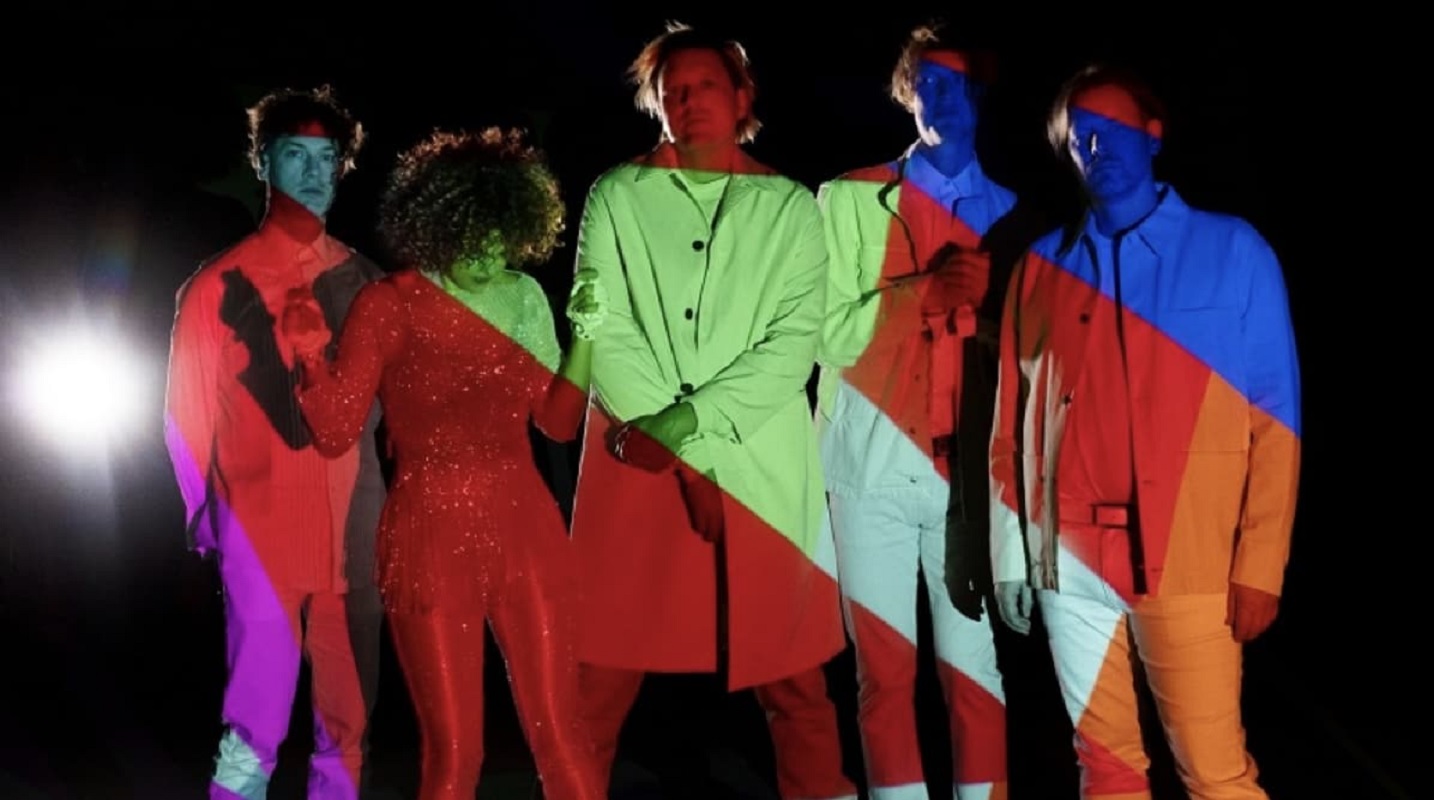
Here is finally some good news, the Arcade Fire have finally revealed the title and release date of their new album, 5 years after the last one. For the fan of the group it has been a time that seemed eternal,

Do we want to define "I know you know me" a masterpiece? Yes, without a shadow of a doubt for at least two reasons. The first and most evident are the artists who interpret it: Caroline Spence and Matt Berninger, second for the deep and poetic text.
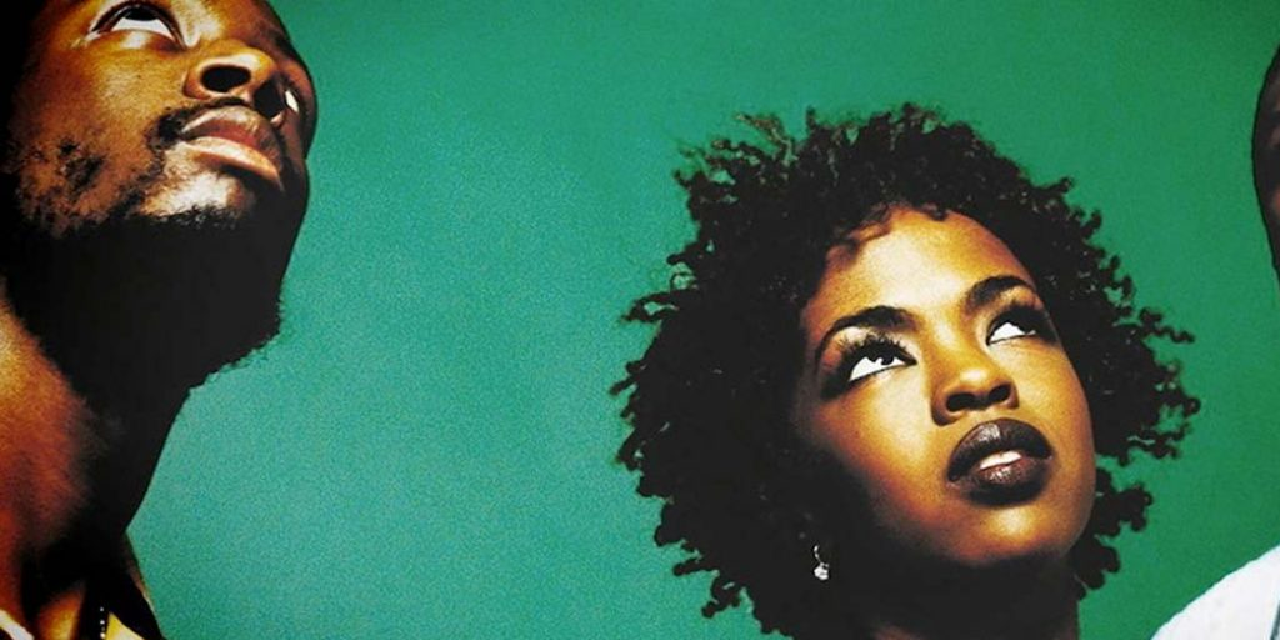
My favorite group when I was just a teenager were the Fugees, thanks to them a certain curiosity about english language was born in me. I wanted to know and understand the lyrics of their songs, it wasn't enough for me to be carried away exclusively by their beautiful music.
Sweden and the United States are two countries far from each other, thousands of kilometers separate them, the language, culinary and sporting traditions, I don't feel so categorical about the landscapes, not knowing all of America there may be states that have the same reliefs of the country of northern Europe, but on one thing I am sure

It has been talked about for almost 3 years, rumored and it is hoped that sooner or later they will arrive at a collaboration, and now we are satisfied: the Catalan singer Rosalia and the American musician Oneohtrix finally announce the publication of a piece together!

 Frigidaire Tango
 Mistonocivo
 Assenza
 Paper Walls
 Working Vibes
 Free love
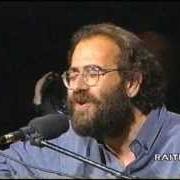 Paolo Pietrangeli
 Astol
Astol
 jalisia dollson
 Scisma
 Massimo Caggiano
 Ener
Ener